|
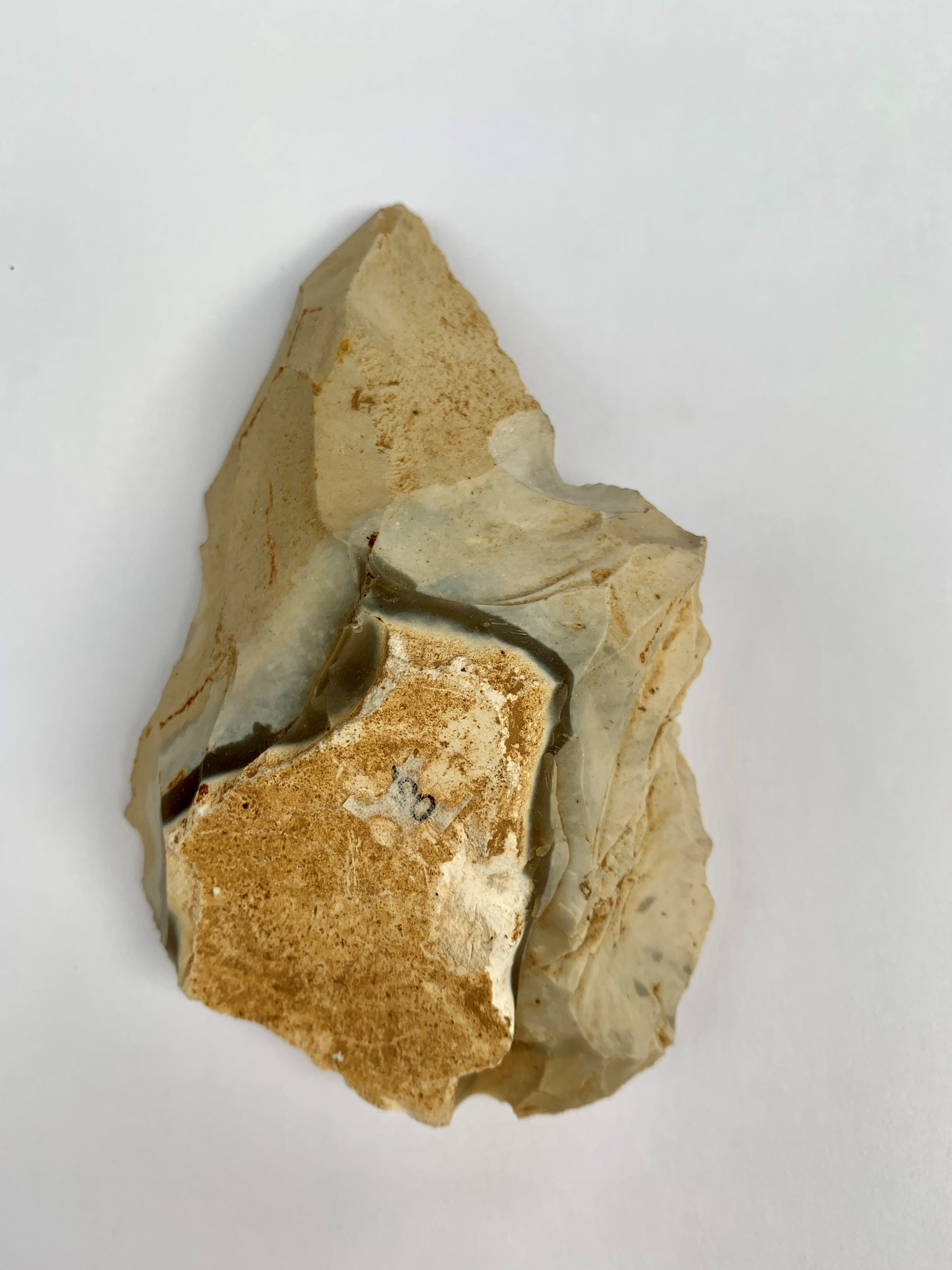
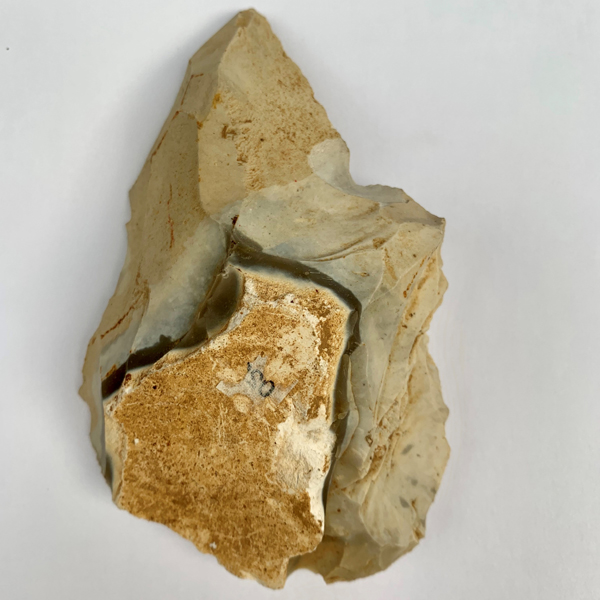
A Paleolithic Neanderthal flint hand axe (ex. British Museum), found in Lynford, Norfolk, UK. These are now much sought after antiquities for sale, particularly with this provenance.
British Neanderthal hand axes are iconic Paleolithic stone tools used by early hominins between 60,000 and 40,000 years ago. Acting as prehistoric "Swiss army knives", these flaked flint artifacts were utilized for butchering animals, woodworking, and scraping hides.
Condition: fine.
Dimensions: 110mm, 158.8g.
Provenance: Ex. British Museum.
*Overseas buyers* this item may require a UK export license. This process incurs no additional cost to the buyer. Please contact me before purchasing, so that I can advise you of the export/import requirements, timescales and shipping that will apply.
£249.00
Neanderthals intermittently inhabited Britain between 400,000 and 42,000 years ago, returning whenever the harsh ice age climate temporarily warmed. Because environmental conditions shifted wildly, they were never permanent residents but rather nomadic hunters who left behind stone tools, butchered animal remains, and a handful of fossils.
Singificant archaeological sites include Swanscombe (Kent), which Provided some of the earliest Neanderthal evidence in northwest Europe, dating to around 400,000 years ago, where early skull fragments of a young woman were found in a rich floodplain environment. Pontnewydd Cave (Denbighshire, Wales) is one of the most northwesterly sites in the world, yielding teeth and jaw bones from at least five individuals dating back roughly 230,000 years.
La Cotte de St Brelade (Jersey, Channel Islands) was an extensively used hunting base utilised intermittently for about 200,000 years, providing critical evidence of woolly mammoth and rhinoceros exploitation. While Creswell Crags (Derbyshire/Nottinghamshire) is famous for yielding deep cave excavations containing late Neanderthal tools, such as the distinct "bout coupé" handaxe.
© Minerva Ancients 2026 All rights reserved
Powered by w3.css